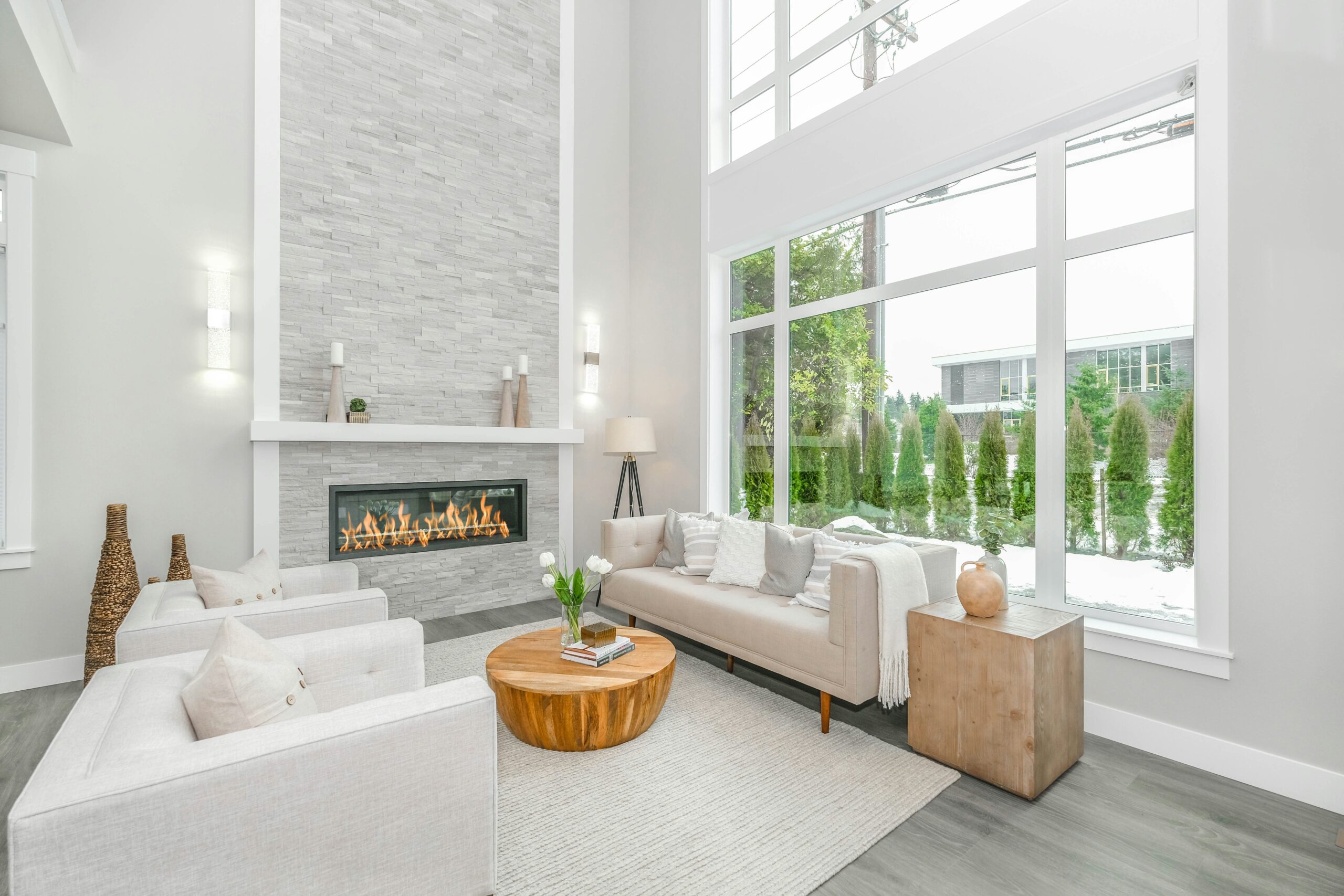
The evolution of residential living has transcended the mere adoption of smart gadgets to embrace the sophisticated world of holistic luxury home automation systems. In this high-stakes environment, the role of a system integrator is no longer just about technical installation but about crafting a seamless, invisible digital concierge that anticipates the needs of the modern high-net-worth household. We are currently witnessing a massive surge in demand for bespoke environments where lighting, climate, security, and entertainment are orchestrated through a single, unified interface that prioritizes both aesthetics and functionality.
For the discerning homeowner, the true value of a premium integration lies in the ability to decouple their lifestyle from the complexities of technology, creating a sanctuary that responds to natural voice commands or subtle environmental changes without human intervention. These professional integrators serve as the essential bridge between complex industrial-grade hardware and the user-centric experience required for ultra-luxury residences. They possess a deep understanding of low-voltage electrical engineering, network architecture, and the architectural nuances of high-end interior design.
As the market for the internet of things reaches its peak maturity, the distinction between “smart” and “luxury” is defined by the stability of the backend infrastructure and the level of personalized customization provided by the installer. Selecting the right integration partner is a critical decision that impacts the long-term value of the property and the daily comfort of its inhabitants.
This comprehensive analysis explores the technical pillars, the economic drivers of the luxury smart home sector, and the strategic milestones that define the current state of high-end residential automation for professional stakeholders and global investors. By investing in a professionally managed ecosystem, organizations and individuals can unlock a level of operational efficiency and residential security that was previously thought impossible to achieve outside of commercial environments.
A. Centralized Control and Unified User Interfaces

The hallmark of a luxury automation system is the removal of fragmented apps and remote controls in favor of a single master interface. Professional integrators utilize platforms like Crestron, Savant, or Control4 to aggregate every household function into one intuitive dashboard.
These interfaces are often custom-designed to match the interior decor of the home, featuring high-resolution touch panels and bespoke wall keypads. By centralizing control, the integrator ensures that the user experience remains consistent across all rooms and devices.
B. Enterprise-Grade Network Infrastructure and Security
A luxury smart home is only as reliable as the network that supports it, necessitating the use of industrial-grade routers, switches, and access points. Integrators prioritize hardwired connections for critical systems to ensure zero-latency performance and maximum uptime.
Cybersecurity is a paramount concern for high-profile clients, requiring the implementation of advanced firewalls and encrypted virtual private networks. This robust infrastructure protects the home from digital intrusions while providing a stable foundation for hundreds of connected devices.
C. Human-Centric Lighting and Circadian Rhythm Control
Advanced lighting systems now incorporate circadian rhythm technology that adjusts the color temperature and intensity of lights based on the time of day. This bio-adaptive lighting promotes better sleep cycles and improves the overall well-being of the residents.
Integrators work closely with lighting designers to create “scenes” that can transform a space for dining, relaxation, or security with a single touch. The use of centralized dimming panels eliminates “wall acne” by replacing banks of traditional switches with elegant, programmable keypads.
D. Climate Orchestration and Energy Management
Luxury climate control goes beyond simple thermostats to include zone-based management of humidity, air quality, and temperature. System integrators use hidden sensors and motorized dampers to maintain a perfect environment without visible bulky equipment.
Integrated energy management systems monitor consumption in real-time, optimizing the use of solar panels and battery storage. This intelligent orchestration reduces the carbon footprint of the estate while ensuring comfort is never compromised.
E. Immersive Private Cinema and Multi-Room Audio
The modern luxury home often features a dedicated private cinema with calibrated acoustic treatments, 4K laser projection, and Dolby Atmos spatial audio. Integrators handle the complex calibration required to ensure that the audio-visual experience rivals that of a commercial theater.
Multi-room audio systems allow high-fidelity music to follow a resident as they move through the home, utilizing invisible speakers hidden behind walls or ceilings. These systems are designed to support lossless audio formats for the most discerning audiophiles.
F. Holistic Security and Biometric Access Control
High-end security integration combines AI-driven perimeter surveillance with biometric access control for a multi-layered defense strategy. Systems can distinguish between residents, pets, and intruders, sending filtered alerts only when a genuine threat is detected.
Integrators often include “panic scenes” that lock all doors, flash exterior lights, and notify private security firms simultaneously. Biometric scanners for fingerprints or facial recognition replace traditional keys, providing both convenience and superior protection.
G. Smart Shading and Aesthetic Window Treatments
Motorized window treatments are essential for managing solar heat gain and protecting valuable artwork from UV damage. Integrators install silent, precision-engineered motors that synchronize the movement of shades across an entire facade.
These systems can be programmed to follow the position of the sun, automatically adjusting to maintain privacy while maximizing natural light. High-end fabrics and custom finishes ensure that the hardware integrates perfectly with the interior design.
H. Invisible Technology and Aesthetic Integration
The ultimate luxury is technology that remains hidden until it is needed, such as televisions that emerge from the floor or speakers disguised as artwork. Professional integrators specialize in “stealth” installations that preserve the architectural integrity of the home.
Hidden wiring and centralized equipment racks located in cooled, soundproofed rooms prevent the clutter of black boxes and cables in living areas. This focus on “technology as an art form” is a key differentiator for premium system integrators.
I. Voice Control and Natural Language Processing
Modern luxury homes utilize localized voice control systems that do not rely on the cloud, ensuring maximum privacy and faster response times. These systems allow residents to control their environment through natural conversation rather than rigid commands.
Integrators program these systems to recognize individual voices, allowing for personalized settings for each family member. Voice control serves as a secondary layer of accessibility, complementing touch panels and mobile apps.
J. Predictive Maintenance and Remote Support
High-end systems are monitored 24/7 by the integration firm to identify and resolve issues before the homeowner even notices them. Remote diagnostics allow for software updates and system reboots to be performed without a site visit.
This proactive approach to maintenance ensures that the home’s technology remains functional and up-to-date. Service level agreements (SLAs) provide peace of mind, guaranteeing priority support for mission-critical systems.
K. Integration of Wellness and Air Purification
The focus of home automation has expanded to include wellness features like medical-grade air purification and water filtration monitoring. Integrators link these systems to the central control platform, providing real-time data on the health of the home’s environment.
Automated ventilation systems can increase airflow when high levels of CO2 or pollutants are detected. This holistic approach to residential health is becoming a standard requirement for the luxury market.
L. Outdoor Entertainment and Landscape Automation
The luxury experience extends to the outdoors with weatherproof televisions, landscape audio, and automated pool management. Integrators ensure that the outdoor systems are as robust and easy to control as the interior ones.
Automated irrigation and smart outdoor lighting can be adjusted based on local weather forecasts to conserve water and energy. This seamless transition between indoor and outdoor living is a hallmark of high-end residential design.
M. Interoperability and Future-Proofing
A professional integrator ensures that the system is built on a scalable foundation that can accommodate future technological advancements. This involves using standardized wiring and modular hardware that can be easily upgraded.
Future-proofing protects the homeowner’s investment, ensuring that the system does not become obsolete as new devices and standards emerge. This long-term perspective is what separates professional integration from DIY smart home setups.
N. The Role of the Custom Electronic Design and Installation Association
The best integrators are often certified by CEDIA, the leading global authority in the home technology industry. This certification ensures that the firm adheres to the highest standards of technical excellence and professional ethics.
Working with a CEDIA-certified professional provides a layer of quality assurance for the homeowner. These firms are at the forefront of the industry, with access to the latest training and manufacturer partnerships.
O. Bespoke Customization and Personalization
Every luxury home is unique, and the automation system should reflect the specific lifestyle and preferences of the owner. Integrators spend significant time in the “discovery” phase to understand how the family uses their space.
This results in a truly personalized environment where the technology adapts to the user, rather than the user adapting to the technology. Custom programming allows for unique functions, such as “goodnight” routines that secure the home and dim the lights with a single command.
P. Integration of Luxury Appliances and Kitchen Tech
The modern luxury kitchen features connected appliances that can be monitored and controlled through the home’s central system. From wine cellars with temperature alerts to ovens that can be preheated remotely, the kitchen is a major hub of automation.
Integrators ensure that these appliances communicate effectively with the rest of the home. This level of connectivity improves efficiency and adds a layer of convenience to daily tasks.
Q. Multi-Dwelling and Global Portfolio Management
For clients with multiple properties, integrators can provide a unified management platform that allows them to monitor all their homes from a single app. This is particularly useful for managing vacation homes or international estates.
Security and climate can be adjusted remotely, ensuring that the property is ready for the owner’s arrival. This global connectivity is a significant benefit for the modern jet-setting lifestyle.
R. Sustainable Design and LEED Certification
Luxury home automation plays a critical role in achieving green building certifications like LEED. By optimizing energy and water usage, these systems significantly reduce the environmental impact of large estates.
Integrators provide the documentation and monitoring required to prove the efficiency of the home’s systems. Sustainable luxury is a growing trend that values both high-end comfort and environmental responsibility.
S. Collaboration with Architects and Interior Designers
The most successful integrations happen when the technologist is involved early in the design process. Collaboration between the architect, designer, and integrator ensures that the technology is integrated into the structure of the home.
This early involvement prevents costly change orders and ensures that the technical requirements, such as rack space and wiring paths, are accounted for in the blueprints. The result is a home where technology and design exist in perfect harmony.
T. The Future of Residential Artificial Intelligence
The next frontier of luxury home automation is the integration of personalized artificial intelligence that learns and adapts to the residents’ behavior over time. This “anticipatory” technology will proactively manage the home without the need for manual input.
From adjusting lighting based on mood to ordering groceries when supplies are low, the future of the smart home is one of total autonomy. Professional integrators will be the ones to navigate this new era of cognitive residential environments.
Conclusion

Luxury home automation is the ultimate expression of modern residential comfort. Selecting the right system integrator is the most critical step in the process. A unified interface provides the seamless experience required for high-end living. Enterprise-grade networks are the essential foundation for a reliable smart home. Human-centric lighting and climate control directly improve the well-being of residents.
Security systems must be proactive and multi-layered to protect high-profile estates. Invisible technology preserves the aesthetic and architectural integrity of the home. Future-proofing through modular design protects the long-term value of the investment. Professional certification ensures the highest standards of technical and ethical performance. The future of luxury living is defined by the synergy of design and digital intelligence.