The mobile landscape is currently undergoing its most radical transformation since the introduction of the first capacitive touchscreen. For over a decade, we have been confined to rigid slabs of glass, but the emergence of foldable smartphone display innovation is finally breaking that mold. This shift isn’t just about a cool mechanical hinge; it represents a fundamental advancement in material science and molecular engineering. Manufacturers are now able to create screens that provide the portability of a phone with the expansive real estate of a professional tablet.
To achieve this, engineers had to reinvent everything from the organic light-emitting diodes to the protective layers that sit on top of them. We are moving toward a future where our devices are no longer static, but fluid and adaptable to our immediate needs. This article will explore the deep technical breakthroughs making these flexible wonders possible and how they are changing our digital habits. We will look at the durability challenges, the software evolution, and the future form factors that will soon define the premium mobile market. Understanding this technology is essential for anyone who wants to stay ahead of the curve in the fast-paced world of consumer electronics.
The Physics of Flexible OLED Technology
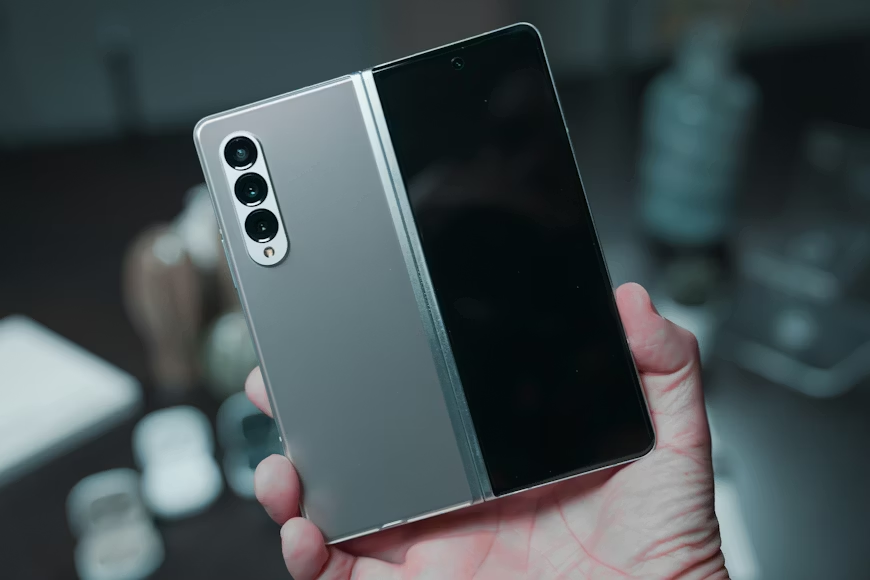
At the heart of every foldable device is a specialized version of Organic Light Emitting Diode (OLED) technology. Unlike traditional screens, these displays are built on plastic rather than glass.
A. Polyimide Substrate Foundations
Traditional displays use a rigid glass substrate, which would obviously shatter if bent. Foldables use a high-performance plastic called polyimide, which is incredibly thin, heat-resistant, and capable of being folded hundreds of thousands of times without losing structural integrity.
B. Encapsulation Layers for Longevity
OLED materials are extremely sensitive to oxygen and moisture. To protect them, engineers developed Thin-Film Encapsulation (TFE), which uses multiple alternating layers of organic and inorganic materials to create a flexible, airtight seal.
C. The Evolution of Ultra-Thin Glass (UTG)
While the base is plastic, the top layer is often UTG. This is glass that has been processed to be as thin as a human hair, allowing it to bend while still providing the premium, scratch-resistant feel that users expect from a high-end phone.
Breaking Down the Hinge Engineering
A foldable screen is only as good as the mechanical system that supports it. The hinge is perhaps the most complex piece of moving hardware in any modern piece of consumer tech.
A. Dual-Axis Cam Mechanisms
Modern hinges use complex cam systems that synchronize the movement of the two halves of the device. This ensures that the screen is never pulled too tightly or compressed too harshly during the folding process.
B. The Waterdrop Hinge Design
One of the biggest innovations is the “waterdrop” or “teardrop” hinge. This allows the screen to tuck into a small cavity inside the body of the phone, creating a wider curve radius that prevents a permanent crease from forming in the display.
C. Dust and Debris Protection
Because hinges have tiny gaps, they are magnets for pocket lint and sand. Engineers have introduced “sweeper” technology—tiny nylon bristles inside the hinge—to brush away debris every time the phone is opened or closed.
Challenges in Durability and User Experience
Despite the incredible progress, foldable phones still face unique hurdles that traditional smartphones do not. Manufacturers are constantly iterating to overcome these “growing pains.”
A. The Persistent Crease Issue
While newer hinges have minimized it, a slight indentation where the screen folds is often visible at certain angles. Solving this requires even more advanced materials that can “bounce back” to a perfectly flat state instantly.
B. Surface Hardness and Scratch Resistance
Flexible screens are naturally softer than the Gorilla Glass found on rigid phones. Designers are currently working on hybrid coatings that offer the flexibility of plastic with the hardness of sapphire to prevent fingernail marks.
C. Environmental Sensitivity
Extreme cold can make flexible plastics brittle, while extreme heat can affect the adhesives. Next-gen displays are being tested in “climate chambers” to ensure they work perfectly in both Siberian winters and Saharan summers.
Software Optimization for Continuity
A larger screen is useless if the software doesn’t know how to take advantage of it. The “App Continuity” movement is changing how we interact with mobile operating systems.
A. Seamless Task Handoff
When you start an email on the small outer screen and unfold the phone, the app must instantly transition to the larger tablet view without losing your place. This requires deep integration between the hardware and the OS kernel.
B. Multi-Active Window Management
Foldables allow users to run three or even four apps simultaneously in a “grid” view. This transforms the phone into a legitimate productivity tool for editing documents while attending a video call.
C. Flex Mode Interaction
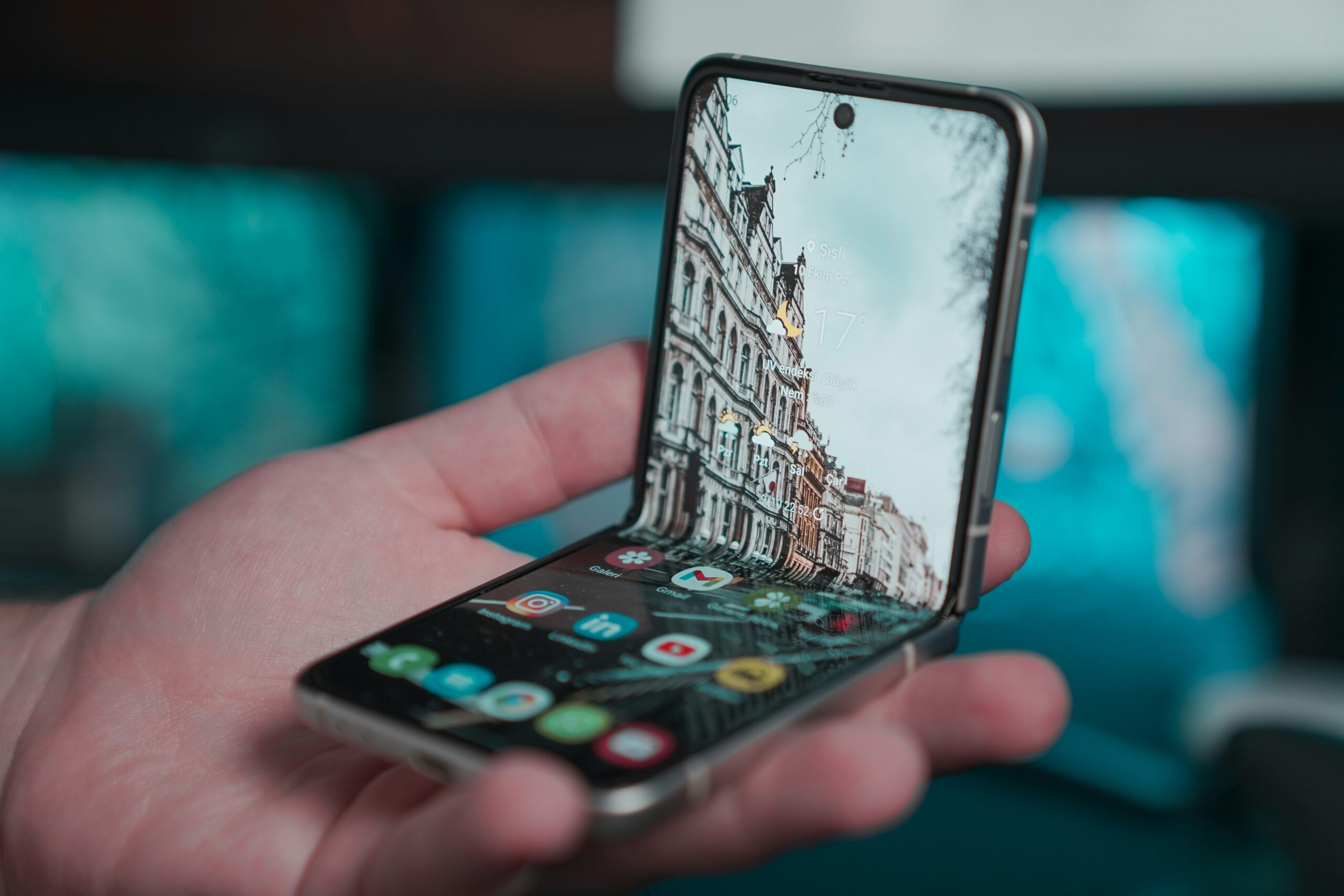
By holding the phone half-folded (like a laptop), the software can split the UI. The top half becomes the viewing area, while the bottom half becomes a control panel, keyboard, or trackpad.
The Rise of Tri-Fold and Rollable Concepts
The “clamshell” and “book-style” foldables are just the beginning. The industry is already looking at even more ambitious form factors.
A. Tri-Fold Display Architectures
Imagine a device that folds twice, turning a standard phone into a 10-inch workstation. This requires two different hinges—one folding inward and one outward—creating a “Z” shape that offers maximum screen-to-body ratio.
B. Motorized Rollable Screens
Instead of folding, some concepts use motors to “scroll” the screen out from inside the body. This eliminates the crease entirely and allows the user to adjust the screen size to any aspect ratio they desire.
C. Stretchable Screen Research
The ultimate goal is a display that can be pulled and stretched in any direction. While still in the lab, this could lead to wearable devices that conform perfectly to the shape of your wrist or arm.
Impact on Media Consumption and Gaming
Foldable displays are a dream come true for entertainment lovers. The shift in aspect ratio provides a much more immersive experience for movies and games.
A. The End of Black Bars
Traditional phones are often too narrow for cinematic content. Foldables offer a more “boxy” aspect ratio that fills the entire screen, making mobile movie-watching feel like a portable cinema.
B. Enhanced Mobile Gaming Controls
Gamers can use the bottom half of a unfolded screen for virtual buttons, leaving the top half completely clear for the game’s visuals. This solves the long-standing problem of thumbs blocking the action on mobile games.
C. Professional Photography and Viewfinding
When taking photos, the large screen acts as a massive viewfinder. You can see fine details in your shot that would be impossible to spot on a standard 6-inch display.
Power Management in Large-Format Mobiles
More screen area means more power consumption. This has forced engineers to rethink battery chemistry and power delivery.
A. Dual-Battery Architectures
To balance the weight and keep the phone thin, manufacturers split the battery into two cells—one in each half of the device. A specialized power management chip ensures they drain and charge at the same rate.
B. LTPO Backplane Technology
Low-Temperature Polycrystalline Oxide (LTPO) allows the screen to dynamically change its refresh rate from 120Hz down to 1Hz. This saves massive amounts of battery when you are looking at a static image or reading text.
C. Heat Dissipation in Foldable Chassis
Large screens and fast processors generate heat, but the hinge creates a break in traditional cooling paths. Engineers use flexible graphite sheets that cross the hinge to move heat away from the processor.
The Economic Shift in the Premium Segment
Foldable technology is currently the “halo” product for mobile brands. It is redefining what a luxury smartphone looks like and how much it costs.
A. The Premium Price Barrier
The high cost of flexible OLEDs and complex hinges keeps these phones in the $1,000 to $2,000 range. As manufacturing yields improve, we expect to see “mid-range” foldables enter the market.
B. Resale Value and Long-Term Reliability
Because they have moving parts, the second-hand market for foldables is still developing. Buyers are looking for long-term data on how many folds a screen can take before it shows signs of wear.
C. Brand Differentiation and Innovation
For manufacturers, foldables are a way to escape the “boring” rigid phone market. It allows brands to showcase their engineering prowess and attract high-value customers who want the latest and greatest.
Global Supply Chain Dependencies
Creating a foldable phone requires a global network of specialized suppliers. Any disruption in this chain can delay the entire industry’s progress.
A. The Dominance of South Korean Display Tech
A large portion of the world’s flexible OLED supply comes from just a few companies. This gives these manufacturers immense power over the pace of innovation and market pricing.
B. Specialized Adhesive and Film Suppliers
The “glue” that holds a foldable screen together is a marvel of chemistry. These Optically Clear Adhesives (OCA) must remain sticky and clear even after being bent millions of times in different temperatures.
C. Rare Earth Minerals in Hinge Magnets
Small, powerful magnets are used to keep foldable phones snapped shut. The sourcing of these minerals is becoming a major focus for companies looking to ensure a stable and ethical supply chain.
The Future: Beyond the Smartphone
The innovations we see in foldable phones today will eventually find their way into every other category of electronics.
A. Foldable Laptops and Tablets
We are already seeing the first laptops where the entire interior is one giant folding screen. This eliminates the physical keyboard, allowing the device to be a massive tablet or a compact workstation.
B. Automotive Integrated Displays
Car interiors will soon feature flexible screens that curve around the dashboard. This allows for more ergonomic designs and information displays that are easier for the driver to see.
C. Wearable Tech and Smart Clothing
In the future, your sleeves or watch straps could be made of flexible displays. This would allow for a completely new category of “ambient” computing that moves with your body.
Conclusion
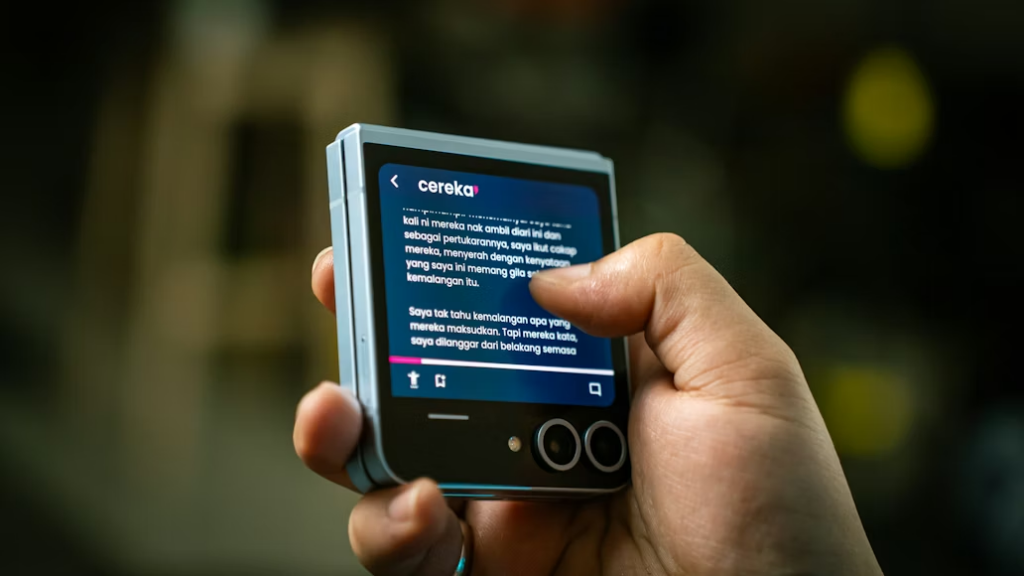
Foldable smartphone display innovation is the most significant leap in mobile technology since the original smartphone era began. We are finally moving past the era of rigid glass and into a world of fluid, adaptable hardware. The engineering required to make a screen bend hundreds of thousands of times is a true testament to human ingenuity. While durability and price remain challenges, the rapid pace of iteration suggests these issues will soon be solved. Software developers are finally embracing the large-format potential of these devices to create better multitasking tools.
The shift toward foldable tech is also driving massive advancements in battery life and power management systems. Consumers are increasingly looking for devices that offer more utility without taking up more space in their pockets. The hinge has become the most important mechanical component in modern consumer electronics. Ultra-thin glass and advanced polyimides are the unsung heroes of this mobile revolution. We can expect to see these flexible screens appear in our cars, our homes, and even our clothing in the near future.
The competition between global brands is accelerating the move from “concept” to “mass market” reality. As manufacturing costs drop, the foldable form factor will likely become the standard for all premium mobile devices. The transition to foldables is also a significant win for the media and gaming industries. Privacy and security are being reimagined for devices that can display multiple apps at once. The digital landscape is becoming more immersive as the barriers between our devices continue to disappear. Ultimately, the goal of this innovation is to give us more screen real estate whenever and wherever we need it. This is not just a trend but the foundation for the next decade of personal computing.