Introduction: The Evolution of Garden Care
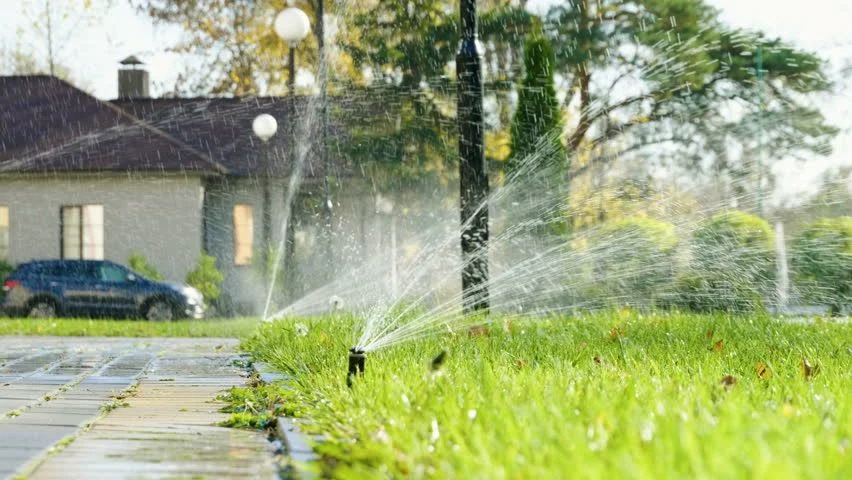
For centuries, the fundamental practice of gardening, whether for agriculture or simple domestic pleasure, has relied heavily on the unpredictable whims of nature and the highly labor-intensive attention of the human hand, demanding constant vigilance against drought and a significant expenditure of time and physical effort. The traditional methods—ranging from manual hose watering to simple, rigid timer systems—are inherently inefficient, often leading to water waste through runoff, over-saturation, or inconsistent delivery, which compromises the health and yield of the plants.
However, the integration of Internet of Things (IoT) technology and advanced sensor networks has initiated a revolutionary departure from these outdated practices, transforming the simple act of watering into a highly precise, data-driven, and entirely automated process. This technological leap allows modern gardeners and farmers to move beyond guesswork, creating environments where plants receive the exact amount of water they need, precisely when they need it, adapting instantaneously to shifting weather conditions and soil moisture levels.
Understanding how these sophisticated, interconnected watering systems function is the definitive pathway for optimizing resource conservation, ensuring plant vitality, and enjoying a flourishing garden without being chained to the hose or the rigid schedule of a simple timer.
Pillar 1: The Core Technology: Sensors and Data
The “smart” in smart watering systems comes directly from the constant stream of data collected by specialized sensors.
A. Soil Moisture Sensors
These small, in-ground devices are the eyes and ears of the automated system, determining the plants’ thirst level.
- Capacitance Technology: Most modern systems use capacitance-based sensors, which measure the dielectric permittivity of the soil. Simply put, they measure how much water the soil is currently holding.
- Threshold Triggering: The user sets a specific moisture threshold (e.g., 30% saturation) for each zone based on plant type. When the sensor drops below this threshold, the system triggers the next watering cycle.
- Preventing Overwatering: By requiring the soil to actually dry out before watering again, these sensors eliminate the common mistake of overwatering, which is a leading cause of root rot and disease.
B. Weather Data Integration
External weather conditions play a massive role in a plant’s water consumption, or evapotranspiration.
- Hyperlocal Forecasts: Smart systems connect to hyperlocal weather forecasting APIs to access data points like predicted rainfall, current temperature, wind speed, and humidity for the immediate area.
- Rain Delay Automation: If a significant amount of rainfall is predicted (e.g., 0.5 inches), the system automatically cancels or delays the scheduled watering cycle, conserving water and preventing saturation.
- Evapotranspiration (ET) Calculation: The most advanced controllers use the Evapotranspiration (ET)calculation, which combines temperature, humidity, and wind data to estimate precisely how much water the plants have lost since the last watering.
C. Flow Meters and Leak Detection
These components monitor the actual volume of water used and protect against system failure.
- Real-Time Monitoring: Smart flow meters are installed in the main irrigation line to constantly monitor the rate and volume of water flowing through the system.
- Anomaly Alerting: If the flow meter detects an unusual, sudden spike in the water rate (indicating a burst pipe) or a constant low flow during an off-cycle (indicating a slow leak), the system immediately shuts off the main valve and alerts the homeowner.
- Usage Reporting: Flow meters provide precise consumption data, allowing the system to log exactly how many gallons were delivered to each zone over time, which is crucial for budget tracking.
Pillar 2: The Command Center: Smart Controllers
The smart controller is the brain of the operation, receiving data and issuing commands to the physical irrigation valves.
A. Zone Customization and Scheduling
The controller allows for granular control based on the heterogeneous nature of the garden.
- Independent Zoning: The controller supports multiple, independent watering zones, enabling the user to set unique thresholds, schedules, and run times for the lawn, flower beds, and vegetable patches separately.
- Plant Type Configuration: Users can input the specific plant type (e.g., Cactus, Perennial Grass, Tomatoes) into the app, and the controller will use its database to suggest optimal watering parameters.
- Mandatory Restriction Compliance: Some controllers integrate with local municipality watering restrictions, automatically adjusting schedules to comply with mandated days or hours, avoiding fines.
B. Remote Access and Management
The ability to manage the system from anywhere is a key convenience factor.
- Mobile App Control: The user can monitor all sensor data, manually start or pause cycles, and adjust schedules from a user-friendly mobile application, whether they are at home or traveling globally.
- Voice Assistant Integration: Integration with a Home Hub or voice assistant (Alexa, Google Assistant) allows for simple commands like “Start Zone 3 for 10 minutes” using only voice.
- Historical Reporting: The controller stores and displays historical usage reports, showing how much water was saved due to rain delays or sensor-based adjustments, providing a tangible metric of efficiency.
C. Predictive and Adaptive Scheduling
Moving beyond fixed timing to dynamic, real-time response.
- “Skip Cycle” Logic: The controller uses a “Skip Cycle” logic based on the 24-hour weather forecast. If it rained yesterday or is predicted to rain heavily today, the scheduled watering is skipped entirely.
- Cycle and Soak: For areas with slopes or clay-heavy soil, the controller uses “Cycle and Soak” technology. It breaks a long watering run into several shorter segments with soak periods in between, preventing runoff and maximizing absorption.
- Seasonal Adjustment: The system automatically adjusts watering duration based on the season, increasing run times in the summer heat and dramatically cutting back during cooler, dormant winter months.
Pillar 3: Delivering Water Efficiently: Drip and Micro-Sprays
The method of water delivery is just as critical as the scheduling intelligence for conservation.
A. Drip Irrigation Systems
The most water-efficient method, delivering water directly to the root zone.
- Targeted Delivery: Drip irrigation uses narrow tubing and specialized emitters to deliver water slowly and precisely to the base of each plant, minimizing water loss to wind and evaporation.
- High Efficiency: Drip systems boast an efficiency rate of up to 95% because almost no water is lost to runoff or evaporation before it reaches the roots, unlike traditional sprinklers.
- Pressure Compensating Emitters: Use pressure-compensating (PC) emitters. These ensure that the first plant in the zone receives the same exact amount of water as the last plant, regardless of the slope or the length of the tubing.
B. Micro-Sprays and Rotors
Modern sprinkler heads are designed for minimal waste and targeted coverage.
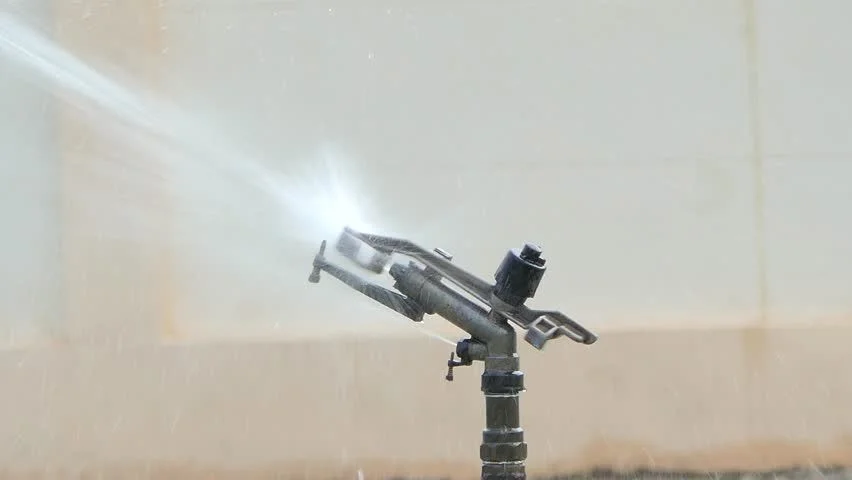
- High-Efficiency Nozzles: Old, large stream sprinkler heads are replaced with high-efficiency rotating nozzles or micro-sprays. These deliver water in slow, uniform streams or droplets that resist wind.
- Uniformity of Coverage: High-tech nozzles are designed to provide a highly uniform distribution of water(Precipitation Rate), ensuring there are no dry spots in the lawn or garden beds.
- Head-to-Head Spacing: Proper head-to-head spacing and pressure regulation are crucial. The system must be professionally calibrated to ensure water is not sprayed onto sidewalks or driveways.
C. Integrating Smart Valves and Pumps
Ensuring the water is delivered with the correct flow and pressure.
- Smart Valves: The controller communicates with smart electronic valves to open and close the water line for specific zones. These valves provide diagnostic feedback to the controller.
- Variable Speed Pumps (VSP): For properties using well water or pump systems, a VSP adjusts the motor speed and power consumption based on the exact pressure demand of the current zone, saving significant electricity compared to a single-speed pump.
Pillar 4: Installation and Maintenance for Reliability
A smart system is a complex network that requires careful setup and ongoing digital and physical attention.
A. Strategic Zoning Design
Poorly designed zones will negate the benefits of a smart controller.
- Matching Plant Needs: Never mix high-water-use plants (e.g., turf grass) with low-water-use plants (e.g., native shrubs) in the same zone. Each zone must have a homogenous water requirement.
- Sunlight Exposure: Design zones based on sunlight exposure. Areas that receive full, intense afternoon sun require a separate zone from shady areas, as their ET rates are vastly different.
- Pressure Regulation: Install a master pressure regulator at the main line, and secondary regulators for drip zones. This prevents high pressure from destroying drip emitters or causing misting in micro-sprays (which wastes water).
B. Controller and Sensor Calibration
The “intelligence” of the system depends on the accuracy of the inputs.
- Soil Sensor Testing: After installation, the user must “calibrate” the soil sensors by manually checking the soil’s feel (dry, moist) and matching that to the sensor’s reported percentage, adjusting the threshold settings as needed.
- Precipitation Rate Input: The controller needs to know the exact Precipitation Rate (PR) of the installed sprinkler heads. This is often entered manually from the manufacturer’s data to ensure the system doesn’t under- or over-water.
- Seasonal Clock Setting: Ensure the controller’s internal clock and location are correctly set. Incorrect location data will result in inaccurate weather forecasts and ET calculations.
C. System Troubleshooting and Audits
The system requires periodic physical and digital checks to ensure peak efficiency.
- Winterization and Startup: Systems in cold climates require careful winterization (blowing out the lines) to prevent freezing damage and a thorough physical check in the spring before startup.
- Physical Audits: Conduct a physical irrigation audit at least once per season: turn on each zone and walk the line to check for blocked or broken emitters, misdirected spray heads, and leaks.
- App Diagnostics Review: Regularly review the controller’s app diagnostics. Look for zones that run excessively long, sensors that consistently report erratic readings, or recurring leak alerts that require physical repair.
Pillar 5: Beyond Watering: Comprehensive Garden Automation
The smart watering system often forms the foundation for broader, integrated garden automation.
A. Integrated Lighting Control
Connecting the garden’s illumination to the same smart network.
- Security Integration: The lighting system can be programmed by the smart hub to automatically turn on perimeter lights if a motion sensor is triggered outside the main house, improving safety.
- Ambiance Scheduling: Low-voltage landscape lighting can be scheduled to turn on at sunset (using external astronomical data) and turn off at a user-defined time or upon the “Good Night” voice command.
- Energy Optimization: Use solar-powered smart path lighting that communicates its remaining battery life to the system, ensuring reliability without drawing power from the main grid.
B. Pest and Disease Monitoring
Using smart sensors to monitor environmental factors that promote plant health issues.
- Humidity Sensing: Specialized sensors can monitor leaf wetness and microclimate humidity in dense garden areas. If humidity is consistently high, the watering cycle can be adjusted to run earlier in the morning to prevent mold growth.
- Soil pH Monitoring: Some advanced systems include sensors that track soil pH and nutrient levels. If the soil becomes too acidic or alkaline for the plants, the system alerts the user that fertilizer or amendment is needed.
- Automated Pest Control: In commercial settings, the system can integrate with automated misting or spray systems that target pest populations only when sensors detect their presence, minimizing chemical use.
C. Water Harvesting and Alternative Sources
Integrating the automated system with non-traditional water supplies.
- Rain Barrel Integration: The smart controller can be configured to prioritize drawing water from a connected rain barrel or cistern before switching to the municipal water supply, reducing utility costs and conserving resources.
- Greywater Diversion: Advanced home systems can integrate with a certified greywater recycling system. The controller ensures that the treated greywater is directed only to non-edible landscape zones, maximizing water reuse.
- Well Pump Monitoring: If the garden uses a private well, the smart controller can monitor the water level and recovery rate of the well, pausing watering if the level drops too low to prevent damage to the pump.
Conclusion: Precision, Efficiency, and Growth
Automated, high-tech watering systems are the definitive tool for achieving maximum efficiency and unparalleled garden health.
The foundation of the system is the network of soil moisture and weather sensors that constantly feed real-time environmental data back to the central controller. Smart irrigation controllers leverage this data to execute predictive and adaptive schedules, automatically canceling watering when rain is forecast and preventing costly runoff.
High-efficiency delivery methods, such as drip irrigation and rotating micro-sprays, ensure that water is precisely targeted to the plant roots, maximizing absorption while minimizing loss to wind and evaporation. The remote access functionality via a mobile app provides invaluable convenience, allowing the user to manage and monitor their garden from any global location.
Strategic zoning design based on plant type and sun exposure is essential, ensuring each unique area of the garden receives its specific hydration requirement. The system’s ability to detect leaks and abnormal flow proactively prevents water waste and safeguards against potential property damage from bursts.
This commitment to data-driven irrigation transforms garden maintenance from a high-labor chore into a low-impact, high-yield, and environmentally responsible endeavor.