Introduction: Beyond the White Goods Revolution
For many decades, major home appliances were defined solely by their functional utility: the refrigerator kept food cold, the washing machine cleaned clothes, and the oven cooked meals, with little thought given to their long-term operational costs or their connection to the wider digital world. While early models focused merely on efficiency ratings—using less energy than their predecessors—the contemporary expectation for household technology has undergone a seismic shift, demanding that devices not only conserve power but also actively communicate, learn, and optimize their performance in real-time.
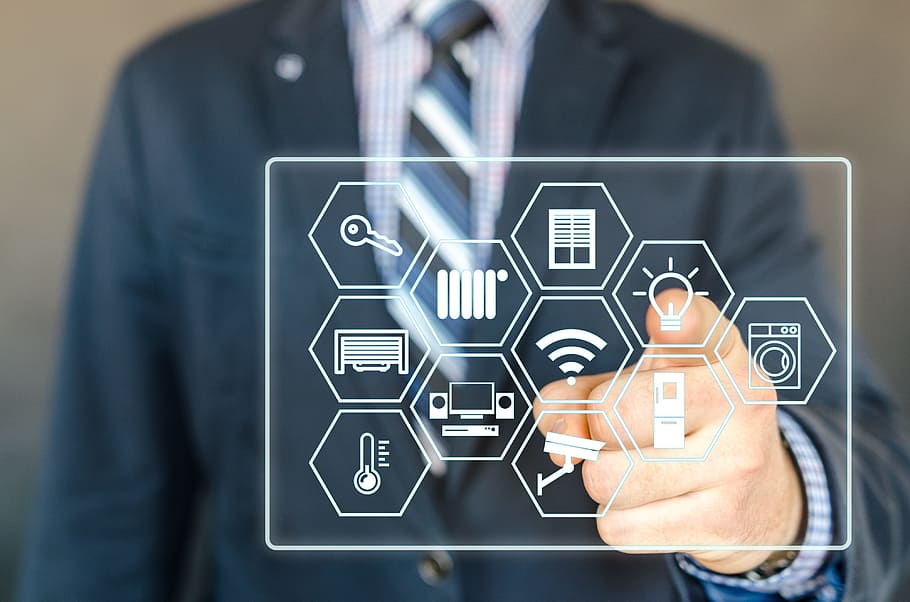
This revolutionary transformation has birthed the era of the Smart Appliance, where connectivity, data analysis, and remote control are integrated directly into the core functionality of essential home equipment, providing homeowners with an unprecedented level of control and insight into their energy consumption habits. By leveraging sophisticated sensors, AI-driven algorithms, and seamless integration with the Home Hub, these intelligent devices are now capable of strategically shifting energy-intensive tasks to off-peak hours, proactively detecting malfunctions, and making micro-adjustments that cumulatively translate into substantial savings on monthly utility bills.
Understanding the true capabilities and implementation strategies of this new generation of intelligent appliances is now the most impactful way to modernize a home while simultaneously making a measurable commitment to financial and environmental sustainability.
Pillar 1: Smart Refrigeration: The Center of Efficiency
The refrigerator, running 24/7, is typically the largest single electricity consumer in a non-smart home, making its upgrade a top priority.
A. AI-Driven Temperature Management
Smart refrigerators use internal sensors and external data to maintain optimal cooling with minimal effort.
- Adaptive Defrost: Unlike old models that defrost on a rigid schedule, smart units use AI-driven adaptive defrost cycles. They only defrost when necessary based on internal humidity and door opening frequency.
- Door Sensor Alerts: If a door is left ajar, the refrigerator sends an immediate alert to the owner’s phone, preventing cold air loss and ensuring the motor doesn’t run excessively to compensate.
- Climate Synchronization: Advanced models can synchronize with local weather data. If a heatwave is predicted, the fridge can proactively drop the internal temperature slightly to prepare for increased kitchen heat load.
B. Inventory and Shopping Optimization
Beyond cooling, smart fridges help reduce waste and minimize unnecessary trips.
- Internal Cameras: Integrated internal cameras take a picture every time the door closes. These images are accessible via a mobile app, allowing users to check inventory while at the grocery store.
- Expiration Tracking: The fridge can track the expiration dates of items you scan or manually input, sending alerts to prevent food spoilage, which is a massive form of wasted energy.
- Smart Shopping Lists: The appliance automatically suggests items for the shopping list based on consumption patterns and low inventory, preventing impulse buying and ensuring efficient grocery trips.
C. Compressor and Component Monitoring
Proactive maintenance prevents catastrophic failure and improves running efficiency.
- Performance Diagnostics: Smart components monitor the health of the compressor and cooling coils in real-time, detecting small inefficiencies before they lead to large energy waste or breakdowns.
- Filter Reminders: The unit sends automatic reminders when water filters or air filters need changing. Dirty filters significantly reduce efficiency and can increase energy usage.
Pillar 2: Laundry Automation for Peak Savings
Washing machines and dryers are massive consumers of both water and electricity, making them prime candidates for smart scheduling.
A. Load Sensing and Water Optimization
Smart laundry appliances precisely tailor resources to the size and type of the load.
- Automatic Load Sensing: The washing machine uses internal weight sensors to determine the exact size of the load, ensuring it uses only the minimum required amount of water and detergent, preventing waste.
- Cycle Customization: The smart machine can automatically select the optimal wash cycle (speed, temperature, duration) based on the fabric type detected, protecting clothes and maximizing efficiency.
- Water Hardness Adjustment: Some advanced models can connect to local water data to adjust detergent levelsbased on the hardness of the tap water, leading to cleaner clothes with fewer rinse cycles.
B. Energy Shifting and Off-Peak Scheduling
The primary financial benefit comes from moving cycles outside of expensive peak times.
- Utility Integration: The appliance connects to your utility provider’s pricing data via the home hub. It automatically schedules the wash and dry cycles to start only during the lowest-cost, off-peak electricity windows.
- Remote Start: Guests can remotely load the machine before leaving the house and then initiate the cycle via a mobile app when they know the off-peak window is about to begin.
- Delayed Dry: The smart dryer can be programmed to tumble periodically without heat after the cycle finishes. This prevents wrinkles without wasting energy on immediate, full-heat drying.
C. Smart Drying Technology
Modern dryers use sophisticated sensors to stop precisely when the clothes are dry.
- Moisture Sensors: Smart dryers use highly accurate moisture sensors to detect the exact point at which the clothes are dry, automatically shutting off immediately to prevent over-drying and unnecessary heat consumption.
- Heat Pump Technology: The most energy-efficient dryers use heat pump technology, which recycles hot air instead of venting it outside. This drastically reduces energy use compared to traditional electric resistance heating.
Pillar 3: Smart Cooking and Kitchen Efficiency
The kitchen environment is optimized through connected ovens, cooktops, and smaller appliances.
A. Intelligent Oven Management
Ovens are notorious for wasting energy by heating massive volumes of air.
- Precise Preheating: Smart ovens use algorithm-based preheating that monitors the internal temperature accurately. They alert the user the moment the temperature is reached, minimizing unnecessary preheat time.
- Remote Monitoring: Users can monitor and adjust the oven temperature and remaining cook time via a mobile app, eliminating the need to repeatedly open the oven door, which instantly drops the internal temperature and wastes heat.
- Recipe Integration: The oven can connect to recipe apps, automatically setting the precise cooking temperature and time required for the dish, preventing user error and maximizing cooking efficiency.
B. Induction and Cooktop Efficiency
Smart cooktops utilize rapid, targeted heating methods.
- Induction Technology: Induction cooktops are inherently more energy-efficient than traditional electric or gas stoves because they heat the cookware directly, wasting very little heat into the surrounding air.
- Pot Sensing: Smart induction tops feature pot-sensing technology that only activates the heating element when a compatible pot is placed on the burner, automatically shutting off when the pot is removed.
- Ventilation Synchronization: The cooktop can be configured to automatically turn on the range hood ventilation fan when cooking is detected and adjust the fan speed based on the intensity of the heat.
C. Small Appliance Automation
Even small devices contribute to the overall energy profile and can be automated for savings.
- Smart Coffee Makers: The coffee maker can be scheduled to brew based on the user’s morning alarm or “Good Morning” scene, ensuring hot coffee is ready without wasting electricity on a continuous warming plate.
- Automated Shut-Off: Small appliances like toasters or air fryers, when connected to a smart plug, can be programmed to completely cut power after a set period of inactivity, eliminating standby power drain.
Pillar 4: HVAC and Whole-Home Energy Management
The greatest savings come from integrating smart appliances with the overall Home Energy Management System (HEMS).
A. Smart Thermostat Integration
The core of HEMS is the seamless connection between the home’s heating and cooling and the appliances.
- Load Balancing: The smart thermostat can communicate with the utility company and the appliances to perform “load shedding.” During a high-demand grid event, the thermostat temporarily limits the air conditioner or tells the dryer to pause its cycle.
- Temperature Variance Compensation: If the smart oven is running at 450°F, the system knows to temporarily increase the air conditioning in the kitchen area to maintain a comfortable ambient temperature elsewhere.
- Occupancy Sensing: Data from smart occupancy sensors (often built into the hub or voice assistants) overrides rigid schedules, ensuring that no appliance or HVAC system is running full power in an empty home.
B. Real-Time Energy Monitoring
You cannot manage what you do not measure, and smart devices provide the data.
- Individual Appliance Tracking: Smart plugs and hubs provide real-time energy usage data for every connected appliance, displaying consumption in kWh and dollar cost, allowing users to pinpoint energy vampires.
- Consumption Dashboards: The HEMS dashboard (usually an app interface) presents a consolidated view of historical and predictive energy use, allowing the user to set financial and consumption goals.
- Anomaly Detection: The system uses AI to detect abnormal spikes in energy use by a single appliance (e.g., the refrigerator suddenly using twice its normal power), signaling a maintenance issue before it escalates.
C. Integrating Smart Outlets and Plugs
The easiest and cheapest way to turn a “dumb” appliance into a “smart” one.
- Eliminating Phantom Power: Smart plugs are used to automatically cut power to devices that are known to draw “phantom” or standby power when not in use (like media centers, gaming consoles, and phone chargers).
- Scheduling Automation: Plugs can be scheduled to only provide power during specific times. For example, a water heater in a vacation home can be automatically powered on only 3 hours before the occupants arrive.
Pillar 5: Choosing and Maintaining Your Smart Upgrade
Successfully implementing smart appliances requires careful selection and a commitment to ongoing maintenance.
A. Assessing True Efficiency Ratings
Beyond the “smart” label, the physical efficiency rating is still paramount.
- Energy Star Certification: Always prioritize appliances with the latest Energy Star certification. This independent label guarantees a minimum threshold of energy efficiency regardless of smart features.
- The Yellow Label: Carefully review the official EnergyGuide yellow label, which shows the estimated annual operating cost and consumption (kWh) of the model compared to similar appliances.
- Total Cost of Ownership: Factor in the total cost of ownership (purchase price plus 10 years of estimated energy costs) rather than focusing solely on the lower sticker price of a non-smart appliance.
B. Prioritizing Interoperability
The devices must communicate easily with your existing smart home system.
- Matter and Thread: Select appliances that adhere to the Matter and Thread protocols to ensure they will seamlessly integrate with any major hub (Google, Alexa, Apple) you choose.
- Ecosystem Compatibility: If you are invested in a specific ecosystem, ensure the appliance has a direct, certified integration with that platform (e.g., a “Works with Alexa” badge).
- Local Control Preference: Look for devices that offer local processing and control over the cloud. This improves responsiveness and ensures critical functions still work during a temporary internet outage.
C. Commitment to Maintenance and Updates
Keeping the digital brain healthy requires user discipline.
- Firmware Updates: Always ensure the appliance’s firmware is updated immediately. Updates not only contain security patches but also efficiency improvements and new energy-saving features.
- Cleaning Schedules: Use the appliance’s app reminders to maintain physical components (e.g., vacuuming the refrigerator coils or cleaning the dryer vent). Physical maintenance directly impacts digital efficiency.
- Routine Audits: Periodically review your off-peak scheduling and automation routines to ensure they still align with your utility’s current pricing structure and your family’s actual usage patterns.
Conclusion: Data-Driven Home Optimization
The decision to upgrade to smart appliances is a critical investment in efficiency, control, and long-term financial health.
The refrigerator, as the largest constant energy consumer, offers huge savings through AI-driven temperature management and proactive door-ajar alerts. Smart laundry appliances maximize value by precisely measuring the load size and automatically scheduling cycles to run during the lowest-cost utility hours.
Intelligent cooking devices minimize energy waste through accurate preheating alerts and the efficient, direct heating provided by smart induction cooktops. The greatest overall savings are achieved when appliances are seamlessly integrated into a Home Energy Management System, allowing them to perform load balancing during peak grid events.
Real-time energy monitoring dashboards provide the essential data needed to identify energy vampires and establish actionable goals for consumption reduction. Travelers must prioritize appliances with high Energy Star ratings and guaranteed interoperability using modern protocols like Matter to future-proof their purchase.
This technology transforms large household appliances from passive tools into active, data-driven participants in managing the home’s resource consumption.